Eric Greenlee
PhD Candidate in Computer Science
Georgia Institute of Technology, College of Computing
My research focuses on designing embedded conservation technologies to enable sustained deployments of low-power, long-range devices. I develop energy-aware circuitry, microcontroller firmware, and system-level simulations to address conceptual and practical challenges around device longevity and usability.
When feasible, I draw on co-design methods to create these systems together with key communities, such as field scientists and local conservation workers, to better align these systems with these partners’ goals and values while accounting for broader socio-economic contexts in which they operate. These partnerships often manifest in projects aimed at reducing the burden of gathering environmental data in settings with limited internet and power infrastructure while simultaneously supporting local decision-making and autonomy. I work with partners to co-construct research questions and pursue extended real-world deployments that address challenges in environmental justice, biodiversity loss, and community resilience.
I am co-advised by Dr. Ellen Zegura, director of the Computing and Society Lab, and Dr. Josiah Hester, director of the Ka Moamoa - Ubiquitous and Mobile Computing Lab. As of October 2026, I am a PhD candidate and expect to defend my dissertation in the spring of 2027.
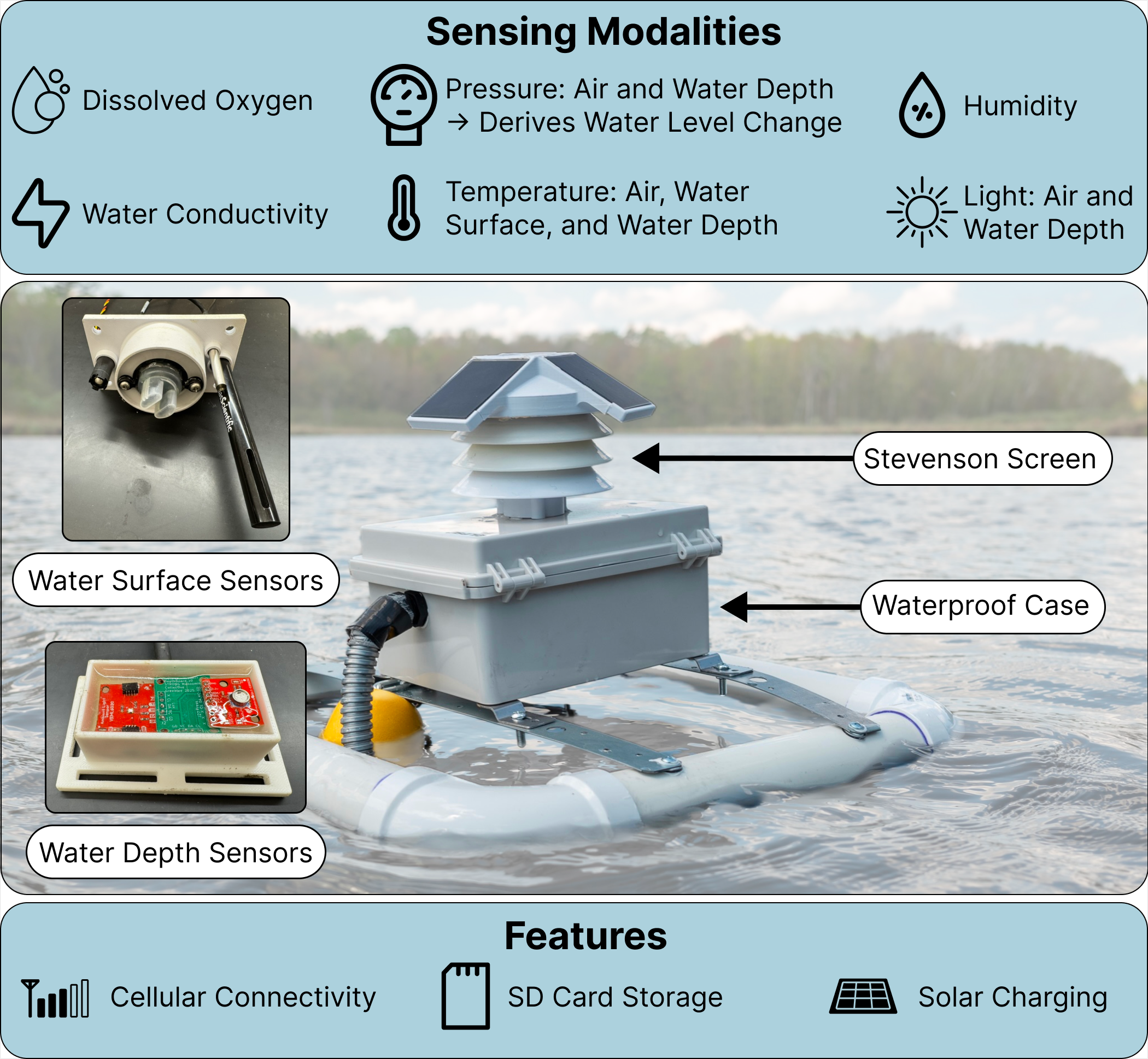
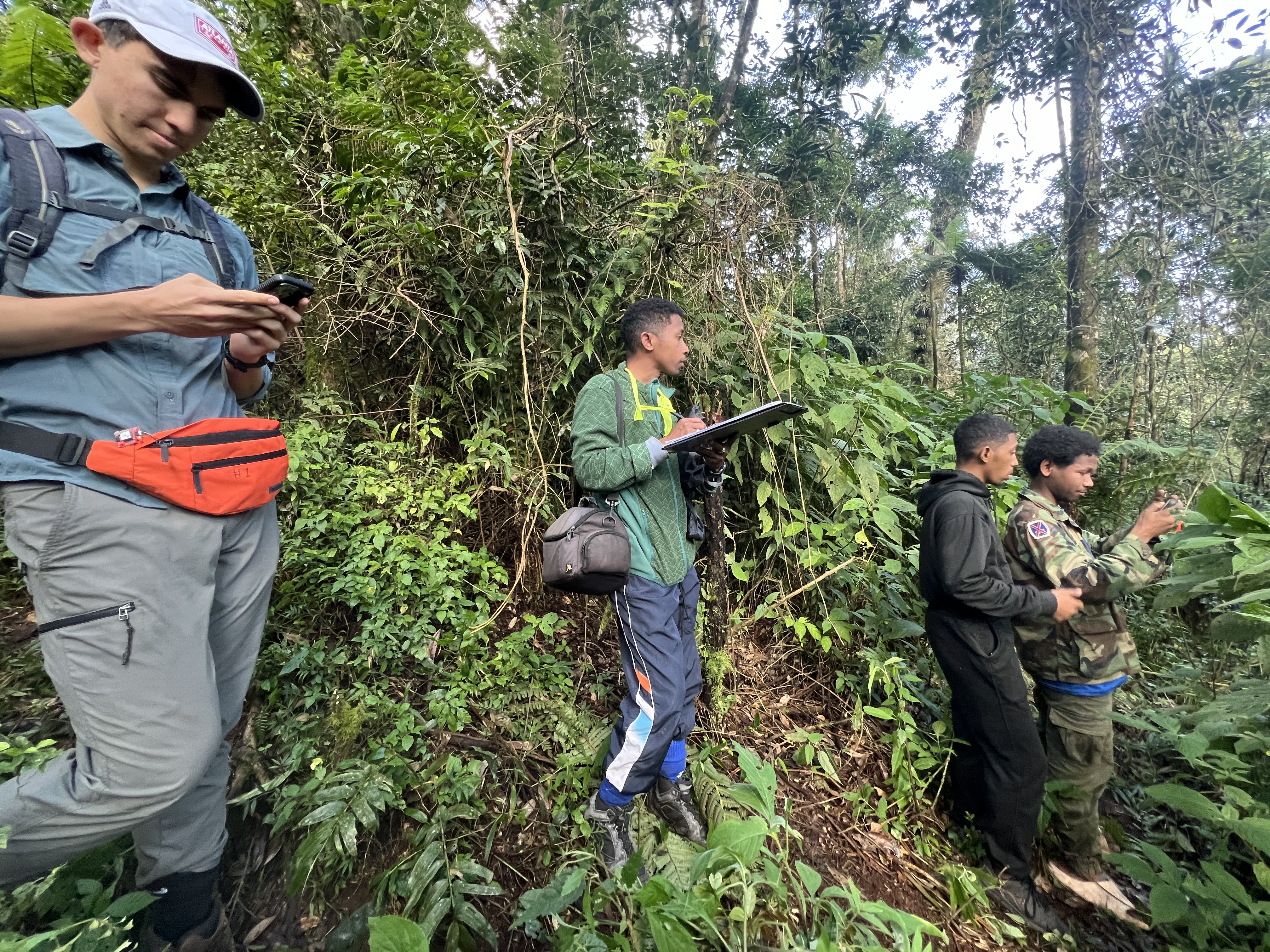
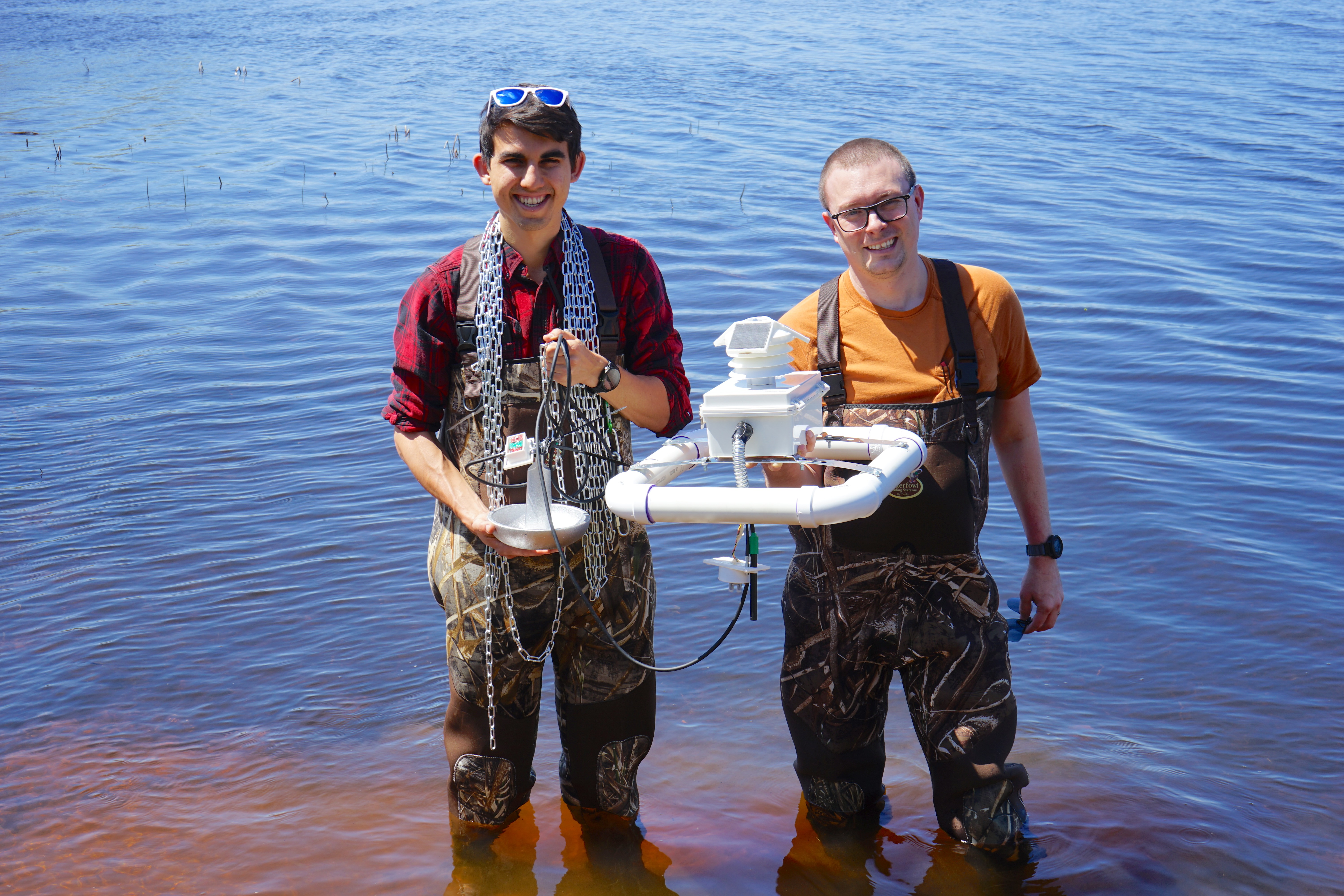
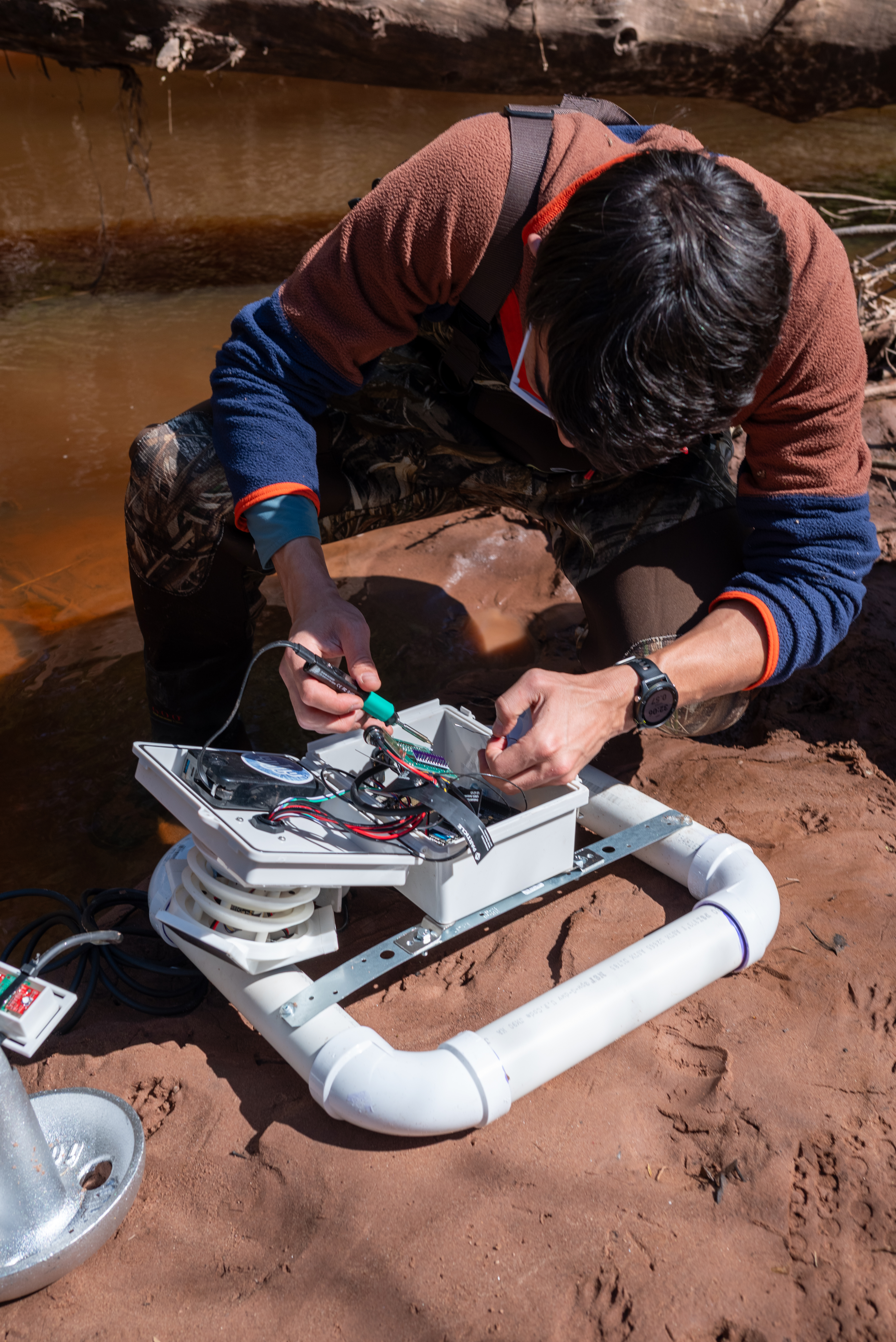
I primarily partner with Indigenous Ojibwe water stewards in the Western Great Lakes region of the United States. We have co-designed and deployed a system called Makak, a low-cost, user-friendly buoy sensor for protecting manoomin, the Ojibwe word for the wild rice that is culturally and ecologically significant to local ways of life. Following a visit to Madagascar in the summer of 2024, I am working with local conservation organizations to develop systems that will address challenges with reforestation and biodiversity monitoring efforts by centering conservation workers. In parallel, I continue to explore lab-based prototypes that adapt emerging technologies towards conservation applications.
My work contributes to and connects the fields of Internet of Things (IoT), Human-Computer Interaction (HCI), and Information and Communication Technology and Development (ICTD). My research and teaching also aim to transcend silos and ways of knowing, engaging with Indigenous scholarship and the fields of environmental science, sociology, and international development.
Prior to my PhD, I worked as a Radio Frequency engineer with the U.S. Department of Defense from 2018 to 2022, and I graduated with a bachelor’s in Electrical Engineering from Dartmouth College in 2018. I enjoy tinkering in my free time, having built prototype systems to aggregate environmental data and visualize family locations (like the Weasley family clock from Harry Potter) using low-cost hardware.