
MESH Environmental Wireless Sensor Network
Status: Inactive
Dates: 2019 to 2022
In 2019, while taking a course in Wireless Sensor Networks (WSNs) at UMD, I was discussing limitations in ecological field research with David Klinges, who had just begun his PhD in that field. He described a process of collecting environmental data that struck me as unnecessarily burdensome: researchers had to physically wire in to each individual sensor — often located deep in the rainforest or high in the tree canopy — to retrieve any data. This meant not only that researchers had to return repeatedly to remote sites, but that they had no indication during a study of whether sensors were functioning or producing quality data.
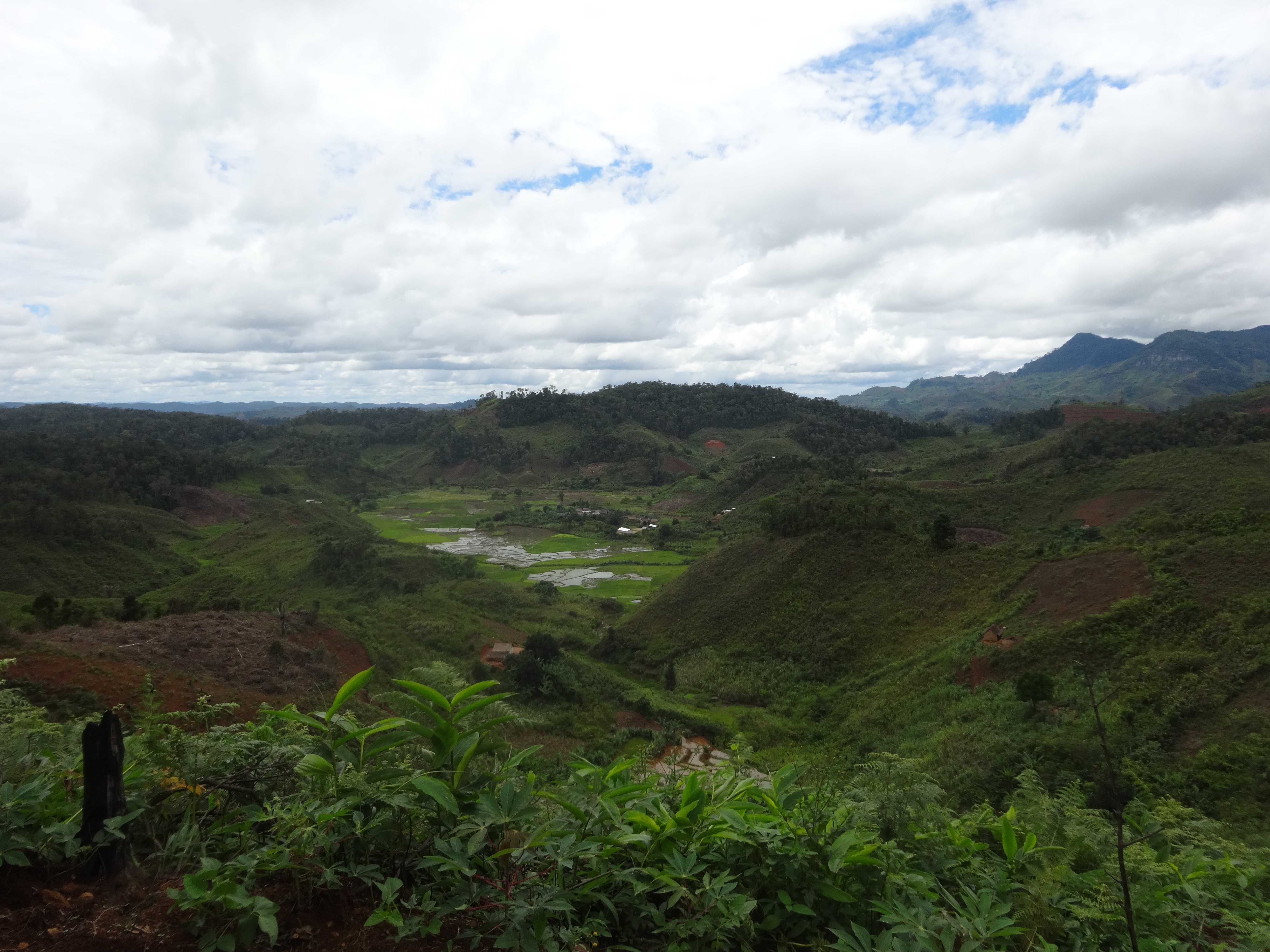
This seemed like a natural application of WSNs, and academic labs had developed and deployed environmental WSNs in the early 2000s. While this prior research provided a useful starting point, I also wanted to design for long-term requirements of low cost and minimal technical knowledge to operate, criteria that, as far as I could tell, no existing academic solution had successfully translated into a commercially viable product.
Starting with an open-source sensor developed by James Mickley that already included a WiFi chip, I designed and implemented a network in Lua using the NodeMCU framework. I iteratively modified the hardware, upgrading the microcontroller to the ESP32 for greater RAM, and adding a LoRa chip to extend communication range. Natalie Greenlee and Robert Halvorsen designed a ruggedised case for the node, and I continued developing software to robustly aggregate data and upload it to the internet via a WiFi access point.
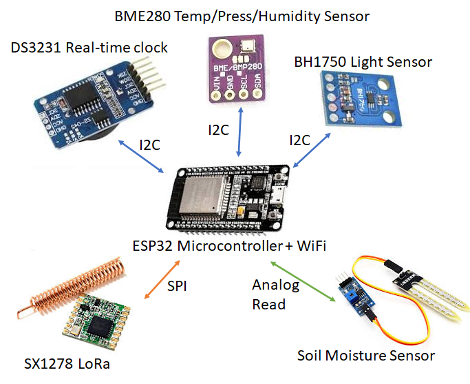
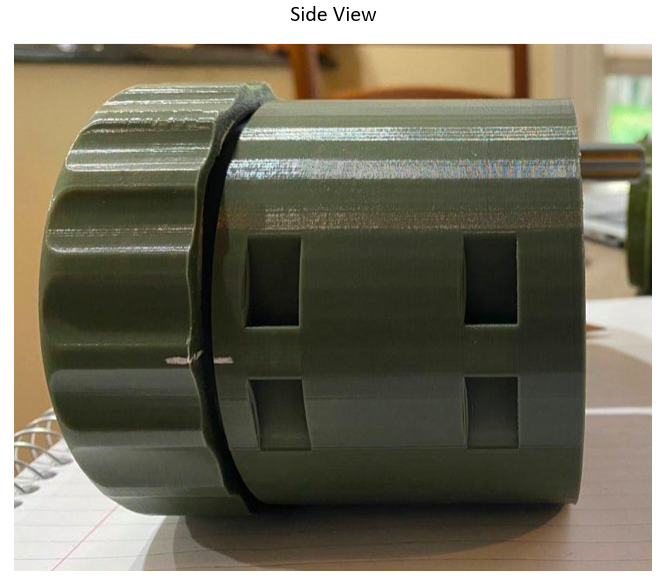
After developing an initial prototype, I identified fundamental limitations in component reliability and software library access that necessitated a full hardware revision. A team of Dartmouth engineering students: Ted Northup, Max Lindemann, Ricardo Serrano-Smith, and Luc Kharey, undertook this redesign as their ENGS89/90 capstone project, simultaneously improving the enclosure and sensor suite. They programmed the node in Arduino with a focus on point-to-point communication, with the plan that I would subsequently re-implement the network stack in C based on a simplified TCP/IP model.
Unfortunately, other commitments and travel restrictions prevented the deployment of these sensors. The challenges I encountered building a robust and user-friendly environmental monitoring network continue to motivate my PhD research, and I hope to one day return to this project armed with the experience to see it through to deployment.