
Makak
Status: Active
Dates: 2023 to present
Manoomin, the Ojibwe word for Northern Wild Rice, is a culturally significant food source native to the western Great Lakes region of North America. For generations, Manoomin stewardship has been central to Ojibwe culture and identity, harvested using traditional methods which respect and enrich its growth. Recent years have shown a decline in Manoomin’s natural occurrence due to industrialisation and climate change. As part of a broader conservation effort within the STRONG Manoomin Collective, our team partners with Tribal partners to co-design Makak, a low-cost water quality sensing buoy that monitors environmental conditions affecting wild rice to support Tribal sovereignty and ecosystem health.
Publications from this project:
- Buoy Meets World: Aquatic Sensing Insights from 169 Days of Low-cost Wetland Buoy Deployments — ICT4S 2026, forthcoming
- Makak: Co-designing Environmental Sensors to Protect Manoomin (Wild Rice) — COMPASS 2025
- The Devil You Know — ACM Journal of Computing and Sustainable Societies, 2024
- Community-Driven Mobile and Ubiquitous Computing — GetMobile, 2023
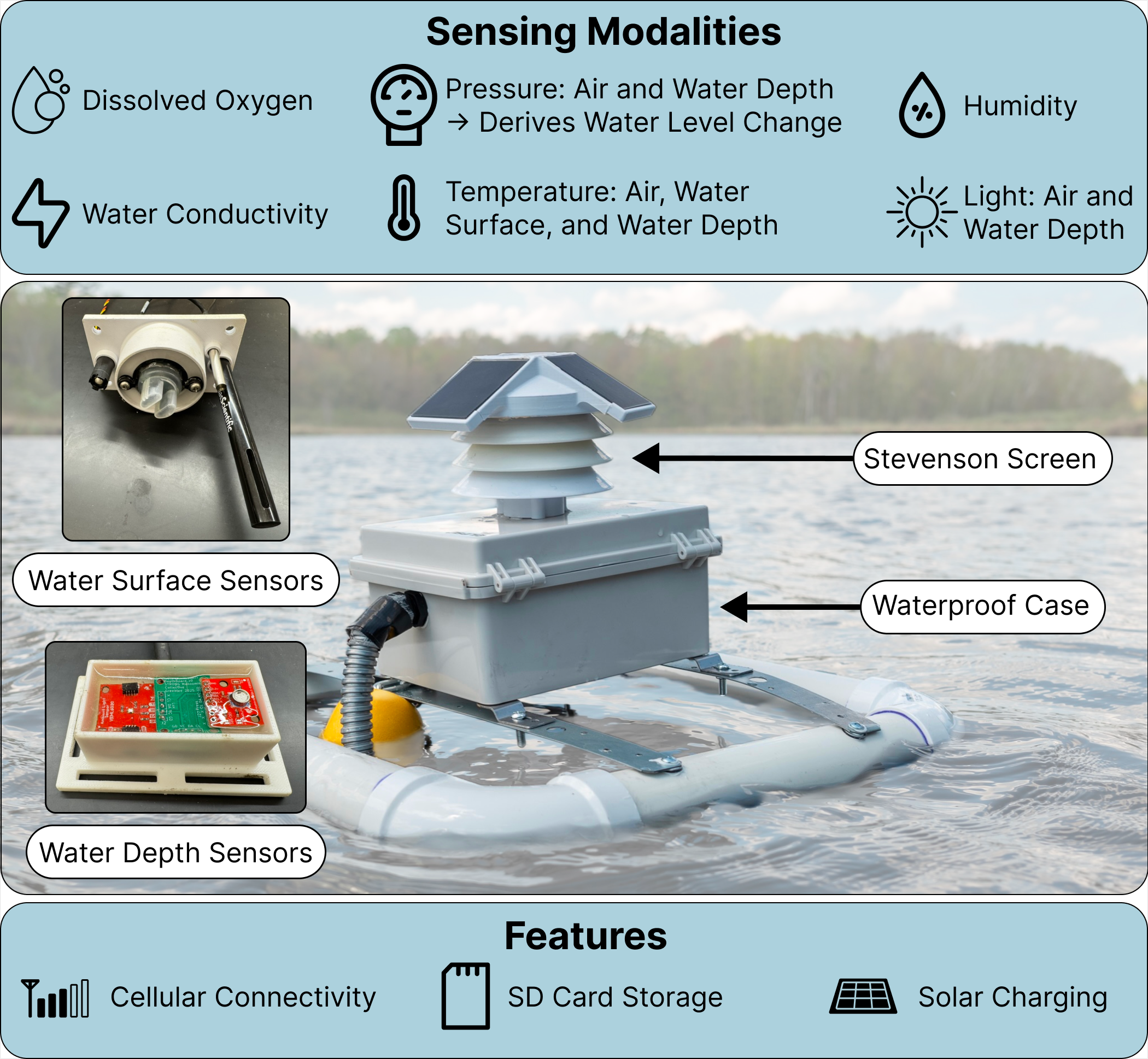
In the summer of 2023, I spent three months in Ojibwe homelands learning about manoomin conservation from knowledge-holders and partner organisations. Building on these conversations and multiple years of iterative prototyping, we co-designed Makak, named by our partners for the Ojibwe word for containerm. Makak is a buoy-based sensing systme that measures air and water temperature, pressure, humidity, dissolved oxygen, conductivity, and light data. The device communicates data remotely via cellular connectivity and charges autonomously via solar panel, designed to operate for months without manual intervention.
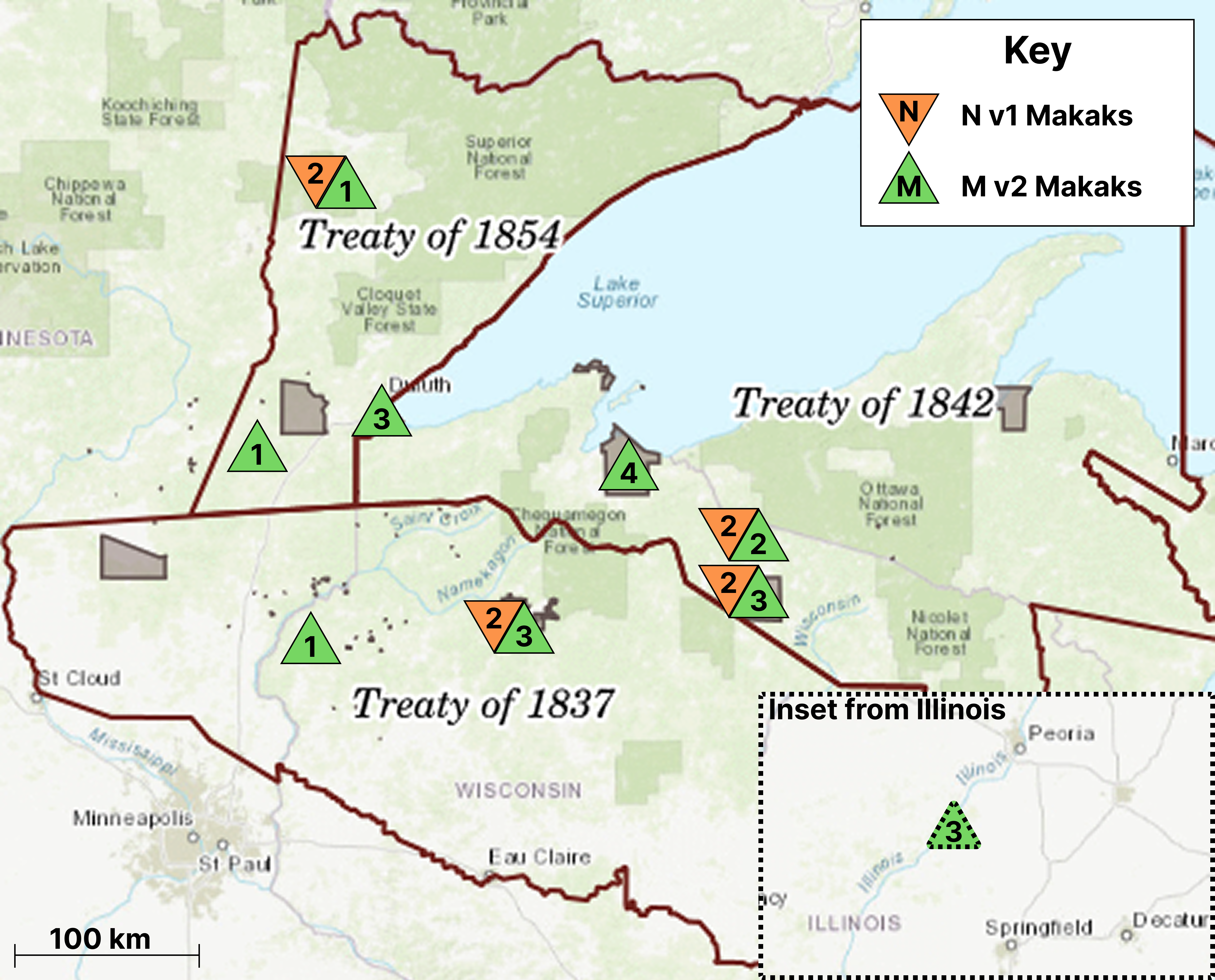
In the summer of 2024, we deployed 8 Makaks in a pilot deployment with four partner organisations: the Lac du Flambeau Tribe, the Lac Courte Oreilles Tribe, the Great Lakes Indian Fish and Wildlife Commission, and the 1854 Treaty Authority. Building on partner feedback and lessons learned, we scaled to 21 deployments across Wisconsin, Minnesota, and Illinois in 2025, representing our most ambitious field season to date.
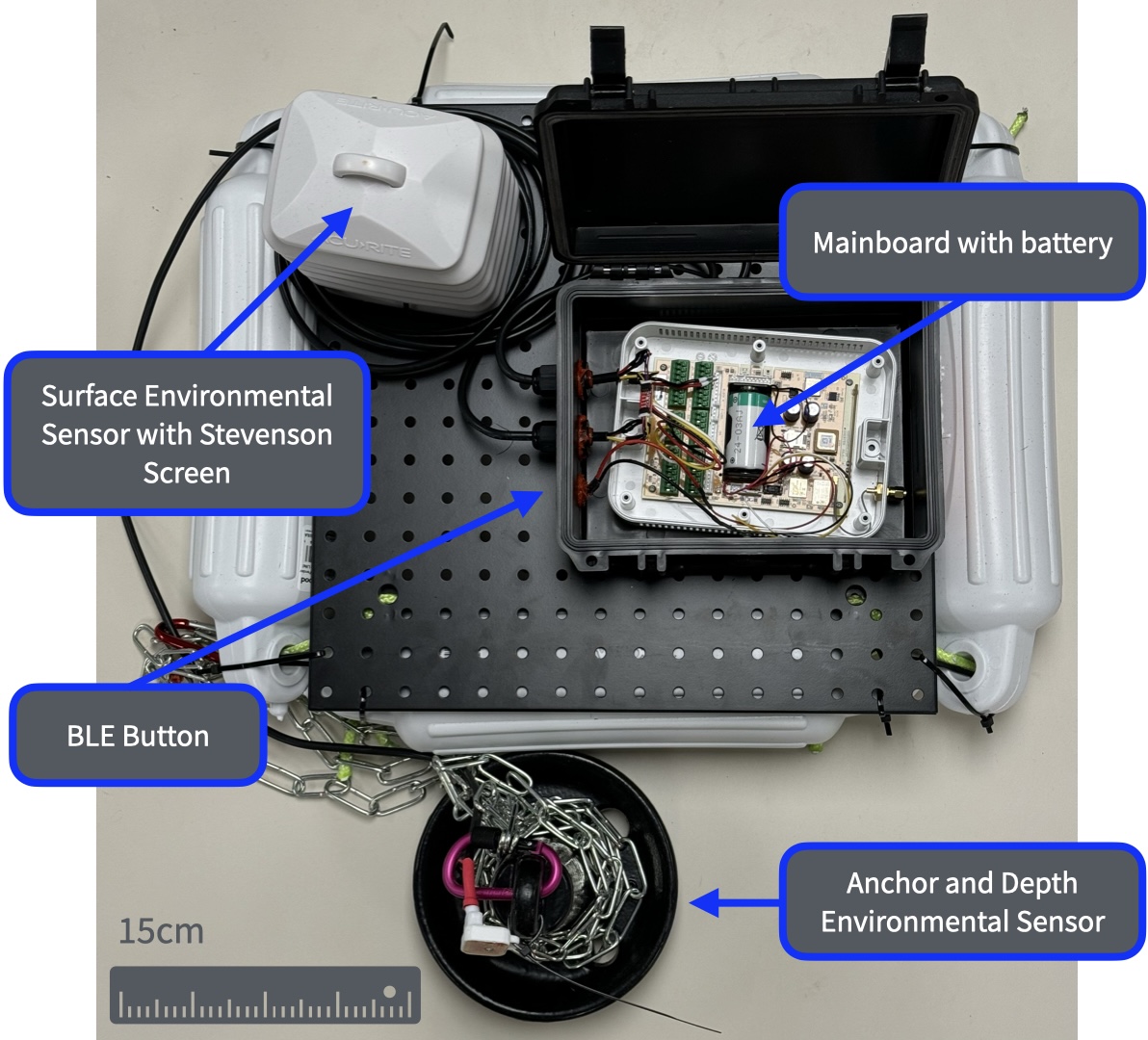
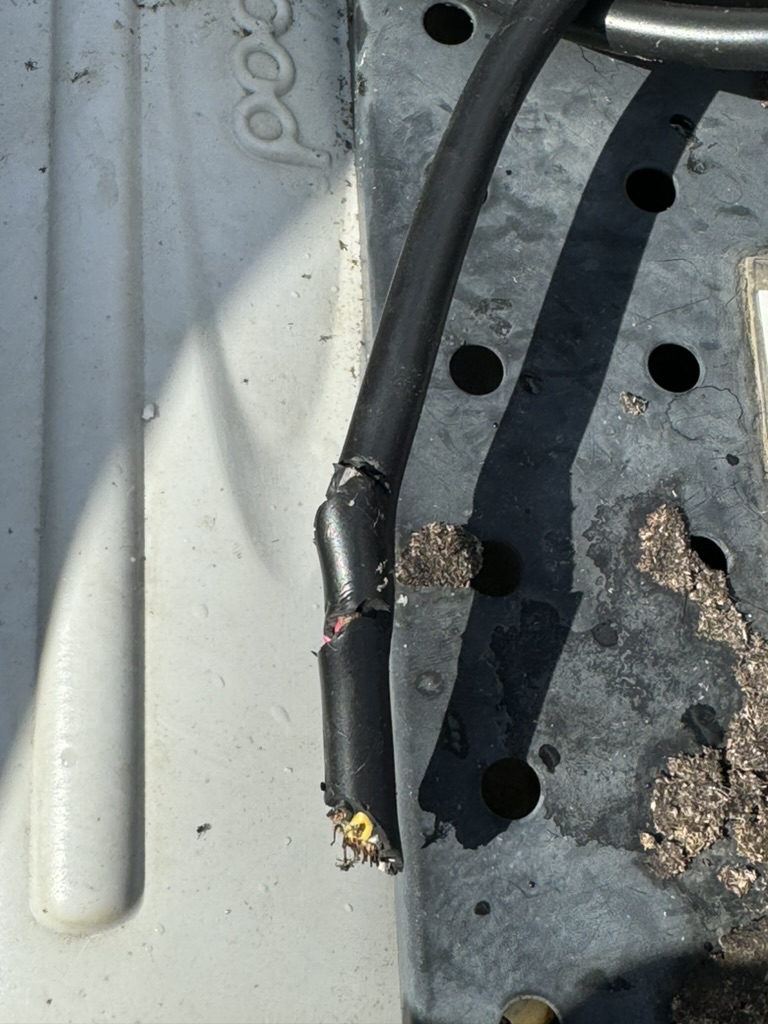
We solicited partner feedback and analysed technical metadata from both the 2024 and 2025 deployments, which revealed insights that would not have been visible from a short field season. On the technical side, we found that many low-cost sensors produced data comparable to expensive commercial alternatives, though some modalities required further calibration work, and that subsystems can interact in unexpected ways causing cascading failures that underscore the importance of design simplicity and redundancy. These findings and others about remote LTE connectivity and solar system design are detailed in our forthcoming ICT4S 2026 paper.
On the co-design side, sustaining relationships with Tribal partners across multiple organizations revealed tensions in design approaches that resulted in a system that was too general to meet the specific goals of any one organization. We successfully addressed challenges around reluctance to try new technology and incorporating contextual knowledge that our earlier research had highlighted, but we demosntrate that further work is needed to integrate with partner workflows and to sustain the benefits of research projects.
Short video providing some insight into the project, courtesy of David Cournoyer and AISES: