Madagascar Conservation
Status: Active
Dates: 2024 to present
Madagascar is home to extraordinary biodiversity, with over 90% of its wildlife found nowhere else on earth. Local conservation workers and field scientists are essential to protecting these ecosystems, yet they are rarely consulted in the design of the technologies meant to support their work. As part of a broader effort to bridge this gap, I partnered with conservation organisations across three protected areas to document worker workflows, goals, and values, and to explore how co-design might lead to more inclusive technologies and interventions.
Publications from this project:
- Sustaining Workers Who Sustain the World: Asset-Based Design for Conservation Technologies in Madagascar — CSCW 2025 — DEI Award and Best Paper Honourable Mention

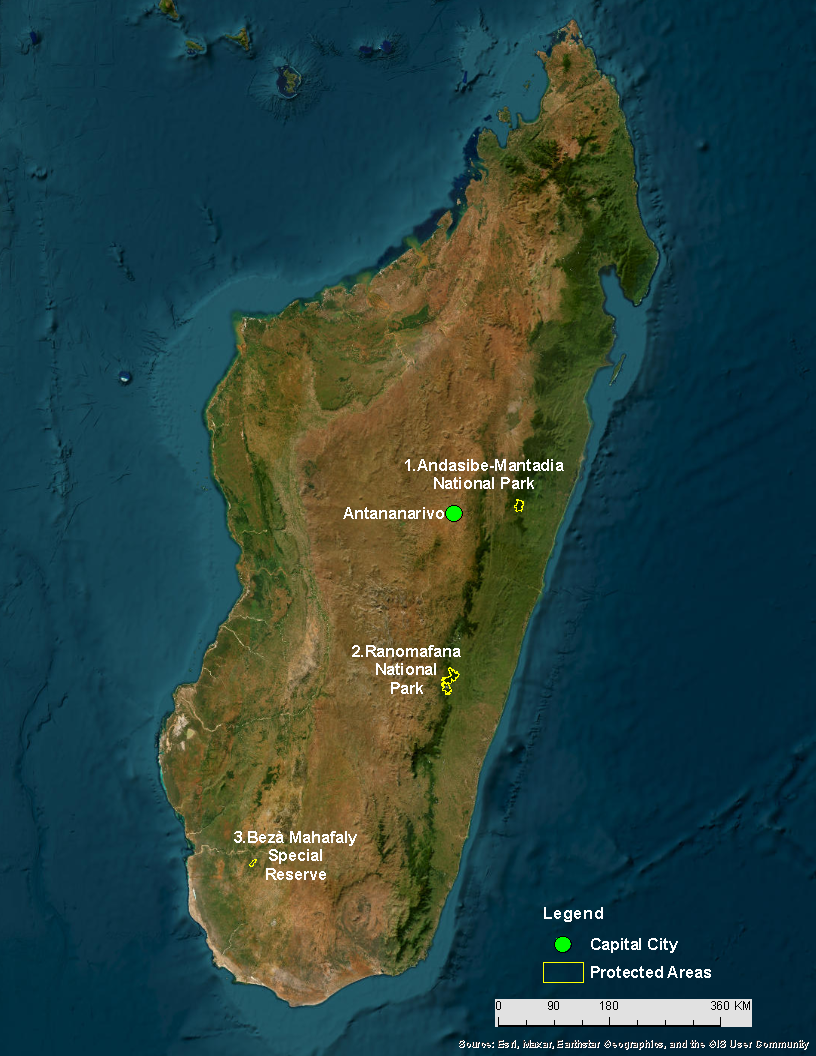
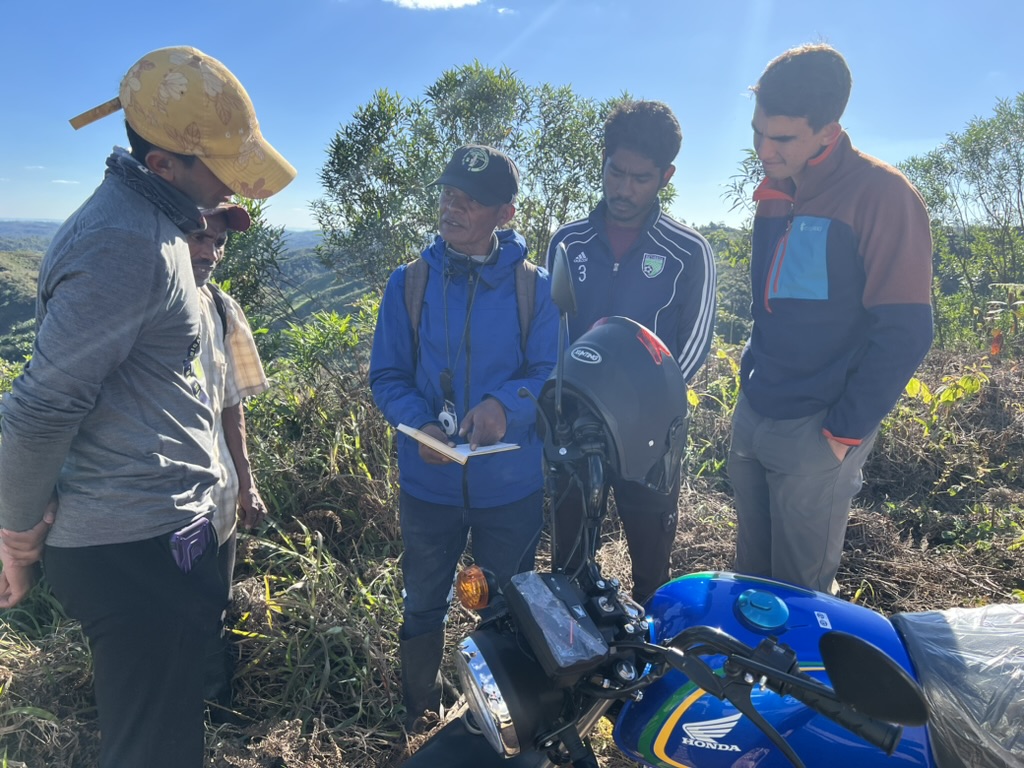
Funded by a Dartmouth Postgraduate Project Fellowship, I travelled to Madagascar for four weeks in the summer of 2024 with Dr. David Klinges, an ecologist and collaborator. In Andasibe, Ranomafana, and Bezá Mahafaly, we observed and spoke with conservation organisations focused on reforestation and biodiversity monitoring, documenting conservation workflows and exploring roles for future technology. We employed direct reactive observations, unstructured interviews, and an informal design workshop to surface emergent themes.
Our findings centred on how conservation technology can better support job prospects and the acquisition of local ecological knowledge for communities near protected areas whose economies and identities are closely tied to the land. We found that an assets-based design approach works well to build relationships between practitioners and designers, but that this approach must broaden to consider how technologies sustain the community assets upon which they rely, including local economic opportunities, ecological knowledge, and worker autonomy.
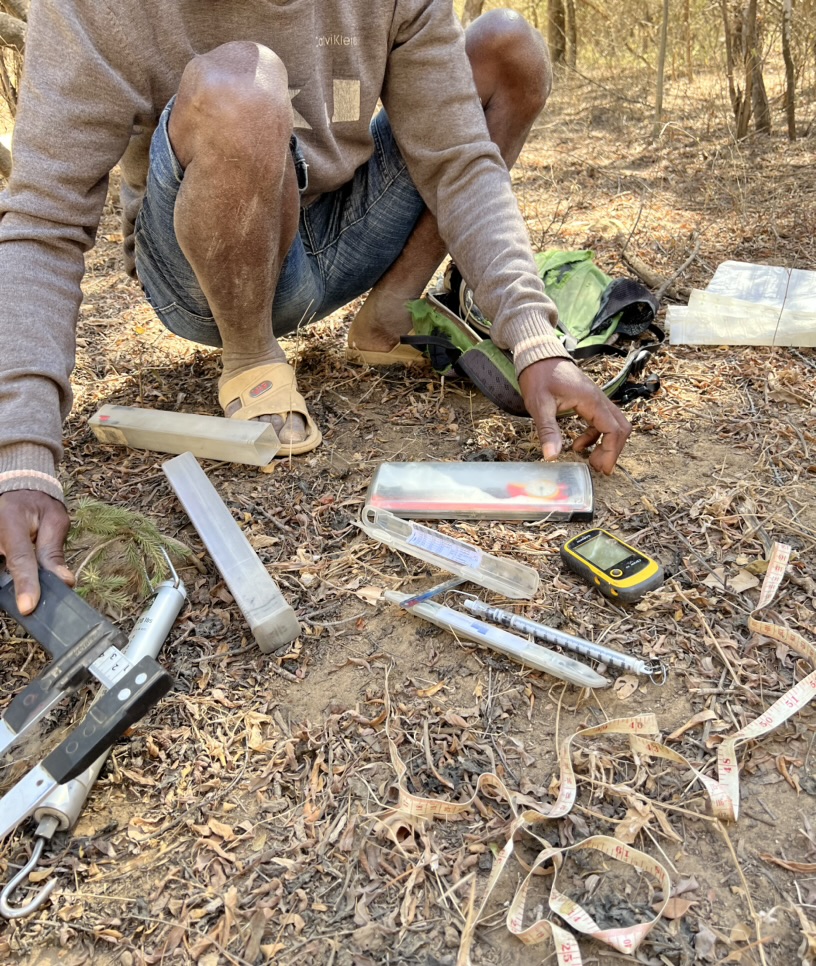
Since returning, I have continued building relationships with Malagasy conservation partners, mentoring a conservationist from Madagascar, applying for funding to support future visits, and exploring technologies that could address the challenges we documented. While substantive research progress on the ground remains a future goal, I hope to return soon to begin co-designing technical systems that align with our findings.